


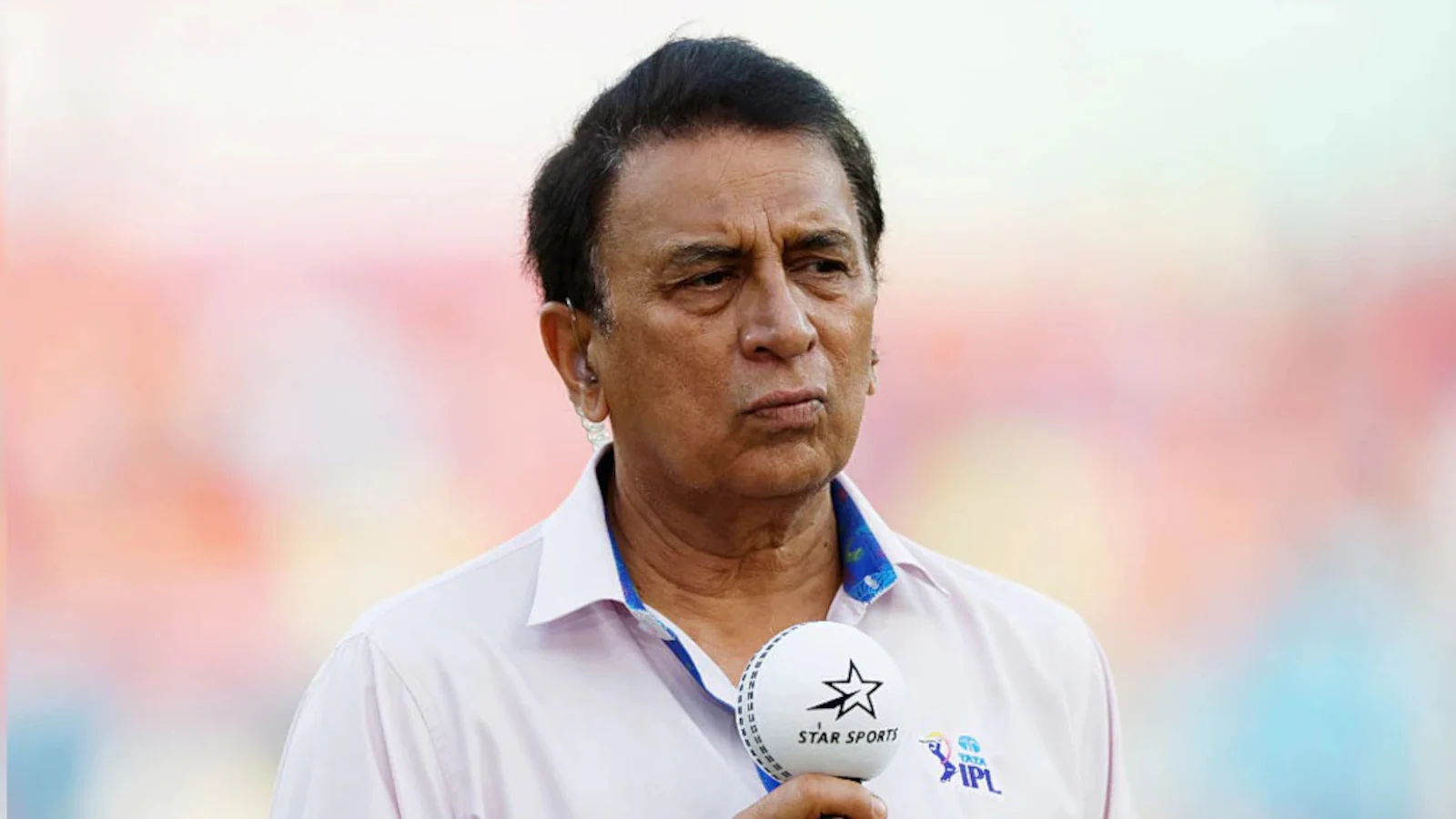
Sunil Gavaskar has examined India’s tactical errors throughout the game, paying special attention to the bowling strategy used in the final moments. The former captain of India questioned certain choices made by the management of the Indian team during the West Indies’ successful run chase and expressed concerns about the selection of bowlers in crucial overs. Absolutely! In the 17th over, I would have chosen Mayank or Arshdeep. Yes, Mayank had delivered the opening blows, but Arshdeep went for plenty in his last over (18th over). He had claimed three of the wickets that had fallen, Gavaskar told.
Sunil Gavaskar has examined India’s tactical errors throughout the game
In the second Twenty20 International at Ranchi on October 9, 2026, India lost by six wickets to the West Indies, who managed to chase down 249 runs in 18.3 overs to tie the five-match series at 1-1. With Sanju Samson scoring 82 off 41 balls, Tilak Varma scoring 44 off 18 balls without losing, Ishan Kishan scoring 43 off 22 balls, and Shreyas Iyer scoring 40 off 18 balls, India’s batting display was impressive. However, West Indies finished their chase with relative ease, and India’s bowling performance in the middle and final overs proved costly.
India’s bowling attack got off to a great start thanks to Mayank Yadav, who removed Kamil Pooran and Shimron Hetmyer in the first over and took a third wicket early on, leaving the West Indies at 58 for 3 by the sixth over. Despite this impressive start, Mayank was not assigned to bowl the seventeenth over; Gavaskar questioned this choice given the circumstances of the match and the bowler’s economy rate at that point.
The former captain thought that the chase’s momentum might have been altered if Mayank had been brought back for that crucial over. Kuldeep Yadav was given the task of bowling the 17th over by Shreyas Iyer, and the wrist spinner gave up 24 runs, making the visitors the clear favourites to win. Even though Arshdeep bowled the 18th over, he was unable to stop the flow of runs and gave up 17 to Romario Shepherd and West Indies captain Shai Hope.
Eventually, with nine balls remaining, the visitors easily won. At that point, the West Indies required more than his (Mayank’s) economy rate of roughly 12 per over. Therefore, even if it hadn’t been a great delivery, you might have gotten a wicket if he had taken one, and sometimes when the game is going in your favour, who knows,” Gavaskar remarked.
In the middle overs, Gavaskar also voiced concerns about India’s overall bowling strategy. He specifically questioned the choice to give the ball to Shivam Dube in the ninth over, when the West Indies hitters were still getting used to their innings. He thought Kuldeep Yadav would have been a better option at that point in the game.
Also Read: Josh Inglis Rejoins Australia Squad for 2nd South Africa Test
Additionally, the opposition is suddenly on the defensive after you take a wicket. The batter needs to be replaced. Thus, it might have been possible to try bringing in Mayank. In my opinion, it wasn’t exactly necessary at that point to give Shivam Dube the ball in the ninth over. Perhaps Kuldeep coming in would have been a better idea when the hitters were still trying to get their eye in,” Gavaskar remarked.
Sherfane Rutherford scored a half-century in the successful chase, and Shai Hope, who remained undefeated on 102 off 45 balls, was named Player of the Match. In the West Indies’ innings, Roston Chase claimed three wickets for twenty-four runs, while Shamar Springer claimed two. As a result of the defeat, the series was tied at one going into the next games.